Tanish Rana.
I'm drawn to technical challenges where the solution isn't obvious and the stakes are high. Whether it's ML systems that need to be right, infrastructure that can't go down, or products that have to scale, I want to work on problems where engineering matters.
Get In TouchAbout Me
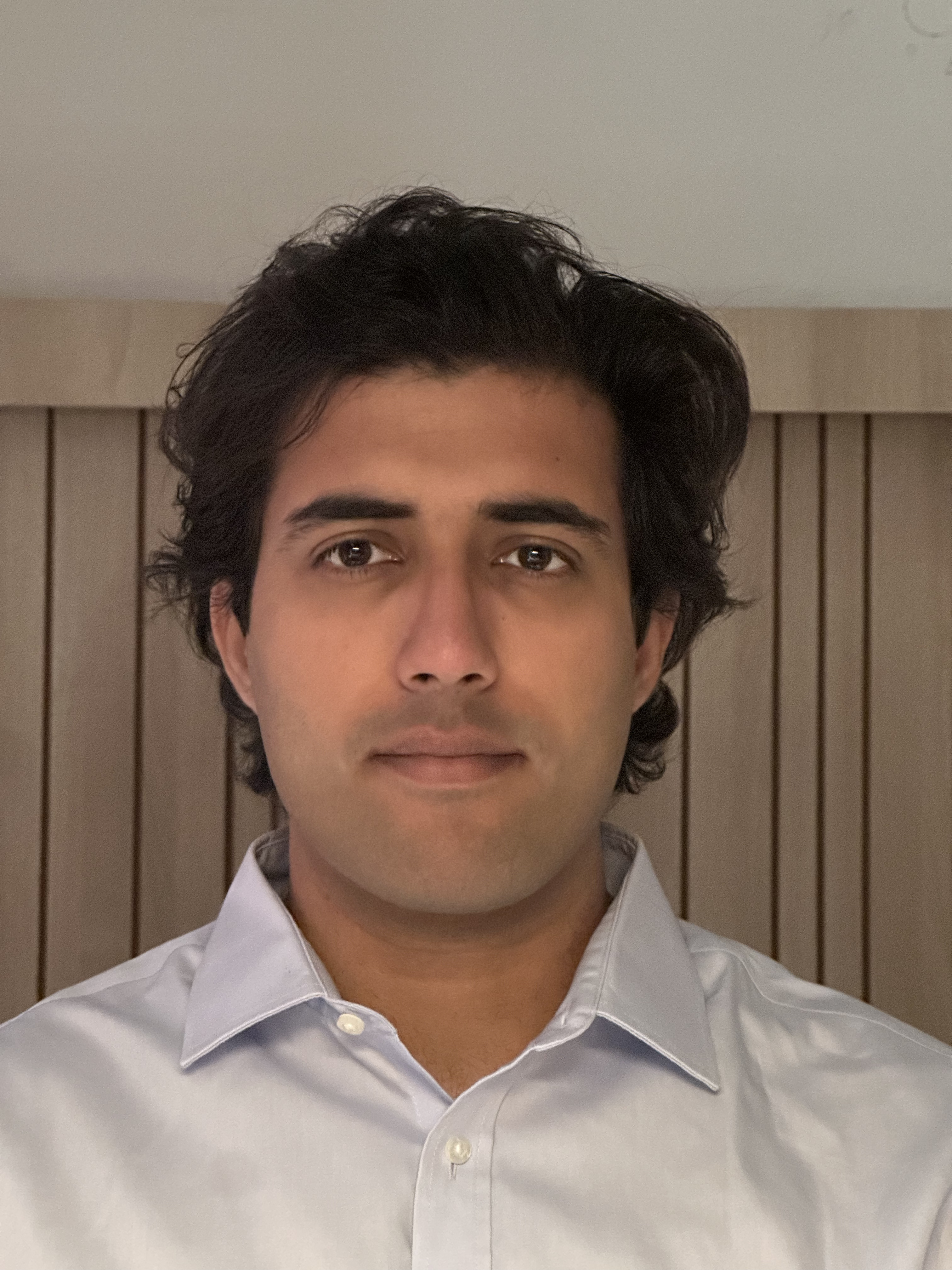
Hey! I'm Tanish, a Computer Science graduate student at NYU with a passion for building intelligent systems that solve real-world problems. My journey in tech has taken me from developing analytics platforms for pharmaceutical companies to developing ML and software systems for naval operations.
I specialize in full-stack development and machine learning, with hands-on experience building cloud-native applications, NLP-based automation tools, and scalable data analytics platforms. Whether it's architecting a collaborative workspace at scale or automating DevOps workflows with natural language processing, I'm driven by creating solutions that make a measurable impact.
I'm particularly interested in systems that sit at the intersection of machine learning and production engineering: where models need to be both intelligent and reliable, where infrastructure needs to handle real scale, and where the technical decisions directly determine whether something works or breaks. I'm looking for teams solving hard problems that matter.
- Python
- C++
- TypeScript
- SQL
- Rust
- R
- TensorFlow
- PyTorch
- Django
- React
- Node.js
- AWS
- Docker
- Kubernetes
- Supabase
Education
Where I've Worked
Software Engineer Resident @ Method (a GlobalLogic company)
- Led a four-person pod building an AI-agent-ready developer platform POC for a Fortune 500 financial services client, defining the problem statement and requirements, mentoring teammates, and presenting weekly to VP-level stakeholders
- Designed an evaluation framework testing whether AI coding agents can build working integrations from documentation alone, tripling the client’s spec score (30% to 90%) and outscoring Stripe, Goldman Sachs, and J.P. Morgan by at least 10%
- Built machine-readable API specifications (OpenAPI 3.x, package manifests, CI validation) delivered to coding agents through an MCP server, raising spec coverage from 20% to 100%
- Developed a RAG recommendation assistant for the client’s developer portal that routes developers to the right integration package via confidence scoring, cutting combined research and onboarding time by about 90% in testing
- Authored the production roadmap and handoff documentation; the client approved full development and production release, and the POC became a reusable Method sales asset
Business Analyst (Sales Operations) @ ProcDNA Analytics
- Owned and delivered 100+ sales operations dashboards and ad-hoc analysis deliverables for a S&P 500 pharmaceutical client, building SQL pipelines to validate data and eliminate recurring integrity issues
- Automated Attainment, Contest, and Incentive Compensation reporting workflows using Excel and VBA, reducing manual effort by 75% and improving operational efficiency
- Conceptualized and developed a secure, modular ICD Code Governance Platform (Python, SQL, VBA) with audit trails, cutting approval cycles by 50%; commercialized and sold for $20K to client
- Partnered directly with client stakeholders to define requirements, design scalable analytics tools, and translate data into actionable insights
Research Intern @ Indian Navy - WESEE
- Developed TensorFlow-based anomaly detection models utilizing unsupervised learning algorithms, achieving 92% accuracy in identifying irregular AIS ship transmissions
- Streamlined confidential real-time datasets through advanced data cleaning, improving reliability and accuracy of deployed anomaly detection models
- Contributed to combat system software in C++ with Kafka middleware for real-time sensor data streaming, and developed PyQt dashboards for mission-critical operational visualization
- Developed unsupervised ML models for HR attrition prediction, achieving 97% accuracy
Research Intern @ VentureLab Thapar
- Conducted quantitative due diligence on 30+ early-stage startups using Python-based financial models, evaluating market sizing, unit economics, and growth trajectories to inform investment decisions
- Built ML-powered analytics dashboard for portfolio performance tracking and startup scoring, reducing manual evaluation time by 65% and enabling real-time investment insights across multiple cohorts
- Performed comprehensive market research and competitive analysis across SaaS, fintech, and edtech sectors, synthesizing data from 150+ sources into actionable investment theses and sector reports
- Developed automated startup scoring system using statistical regression models and feature engineering, improving evaluation consistency by 45% and accelerating initial screening process for investment committee
Personal Projects
Memorable Reads
Designing Data-Intensive Applications
by Martin KleppmannThe definitive guide to distributed systems. This book explains the tradeoffs in database design, streaming, and distributed computing with exceptional clarity.
Deep Learning
by Ian Goodfellow et al.The comprehensive ML bible. Dense but thorough coverage of neural networks, optimization, and generative models. Essential for serious ML practitioners.
The Pragmatic Programmer
by Andrew Hunt & David ThomasTimeless principles that transcend languages and frameworks. The emphasis on craftsmanship and continuous improvement has shaped my engineering philosophy.
Thinking, Fast and Slow
by Daniel KahnemanNobel Prize-winning insights into cognitive biases and decision-making. Essential for understanding how humans process information and make choices under uncertainty.
The Black Swan
by Nassim Nicholas TalebImpact of rare, unpredictable events. Taleb's critique of Gaussian models and emphasis on antifragility changed how I think about risk and system design.
Hands-On Machine Learning
by Aurélien GéronPractical ML with Scikit-Learn and TensorFlow. Bridges theory and implementation beautifully, with clear examples and production-ready code patterns.
What's Next?
Get In Touch
I'm currently looking for new opportunities and interesting conversations. Whether you have a question, want to collaborate, or just want to connect, I'd love to hear from you!